Weight loss surgery transforms lives by providing a powerful tool for profound health changes. Achieving the best possible outcomes requires careful attention to daily routines, physical activity, and dietary habits. While portion sizes and lean protein intake usually take center stage during meal planning, beverages frequently slip under the radar. Drinks can carry a surprising amount of energy, going down quickly without triggering the natural fullness signals your body relies on.
Paying close attention to what flows into your cup is a crucial step for long-term success. Even seemingly healthy beverages can pack enough calories to pause your weight loss journey or lead to unintended weight regain. Understanding how beverages interact with your modified digestive system will empower you to make choices that align with your health goals.
The Sneaky Nature of Liquid Calories
Human bodies are incredibly efficient at processing fluids. When you eat solid food, the physical acts of chewing and swallowing begin a complex digestive process. Solid foods sit in the stomach, creating a physical sensation of fullness that tells your brain it is time to stop eating. Liquids bypass this entire process.
Because drinks do not require chewing and leave the stomach rapidly, they fail to activate the stretch receptors that signal satiety. You can easily consume hundreds of calories in a matter of minutes through a beverage, yet feel just as physically hungry as you did before taking the first sip. This lack of fullness makes it incredibly easy to consume far more energy than your body requires, effectively slowing down your progress.
Many popular drinks also contain high amounts of refined sugars. Consuming these sugary beverages causes a rapid spike in blood glucose levels, followed by a sharp crash. This blood sugar rollercoaster often triggers intense cravings for more sweet or carbohydrate-rich foods, creating a challenging cycle to break.
The Unique Impact on Your Bariatric Journey
For individuals who have undergone bariatric surgery, the mechanics of the stomach have changed significantly. Procedures like gastric bypass or sleeve gastrectomy reduce the physical size of the stomach. This restriction limits the volume of solid food you can eat at one time, helping you feel satisfied with smaller portions.
However, liquids do not behave like solid foods inside a surgically modified stomach. Fluids pass straight through the small stomach pouch and empty directly into the intestines. In the bariatric community, high-calorie beverages are often referred to as “slider foods” because they slide right past the restrictive mechanism of the surgery. You lose the primary benefit of the smaller stomach pouch when you consume calorie-dense drinks.
Additionally, sugary beverages can trigger dumping syndrome, particularly in gastric bypass patients. When large amounts of sugar enter the small intestine too quickly, it draws excess fluid into the gut. This rapid shift causes severe discomfort, nausea, dizziness, cramping, and fatigue. Choosing the right beverages protects you from these highly unpleasant physical reactions while keeping your progress on track.
Common Culprits Hiding in Plain Sight
Identifying the sources of hidden calories is the first step toward making empowered dietary choices. Many beverages marketed as healthy or natural are actually counterproductive to weight loss goals.
Coffee Shop Favorites
A standard cup of black coffee contains almost zero calories. However, the specialty drinks served at popular coffee shops are often loaded with flavored syrups, whole milk, whipped cream, and caramel drizzles. A large blended coffee drink can easily contain the caloric equivalent of a full meal, entirely in liquid form.
Juices and Smoothies
Fruit juice is often perceived as a healthy option because it comes from fruit. Unfortunately, the juicing process removes the beneficial dietary fiber that helps regulate digestion and keep you full. What remains is a concentrated source of natural sugars. Smoothies can also be deceptive; while they retain some fiber, commercial smoothies frequently contain added sherbet, honey, or sweetened yogurts.
Protein Shakes
Protein shakes are incredibly helpful during the early recovery phases of bariatric surgery. As you transition to a diet of solid foods, it is important to re-evaluate their role. Relying too heavily on calorie-dense shakes when you are already consuming adequate protein from solid meals can inadvertently slow your progress.
Alcoholic Beverages
Alcohol presents a double challenge for bariatric patients. First, alcoholic drinks are highly concentrated sources of empty calories, offering no nutritional value. Second, bariatric surgery alters the way your body metabolizes alcohol, leading to faster absorption and heightened intoxication. Drinking alcohol also lowers your inhibitions, making it much harder to stick to your mindful eating goals.
Practical Strategies to Rethink Your Drinks
Taking control of your hydration habits does not mean sacrificing flavor or enjoyment. Small, intentional adjustments to your daily routine will yield significant benefits for your long-term health.
Prioritize Plain Water
Water is the absolute best choice for hydration. It contains no calories, helps flush toxins from the body, and keeps your organs functioning optimally. Keep a reusable water bottle with you throughout the day to encourage consistent sipping.
Infuse for Flavor
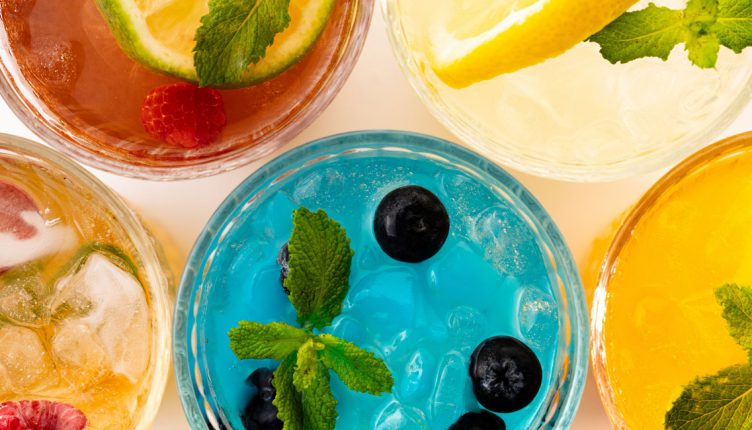
If you struggle with the plain taste of water, create your own infused beverages. Add slices of cucumber, lemon, lime, or a handful of fresh mint leaves to your water pitcher. This provides a refreshing burst of flavor without adding any meaningful calories or sugars.
Master the Nutrition Label
Make it a habit to flip beverage containers around and read the nutrition facts panel. Look specifically at the serving size, total calories, and added sugars. Many bottled drinks contain two or even three servings per container. Drinking the entire bottle means doubling or tripling the numbers you see on the label.
Choose Unsweetened Alternatives
When ordering tea or coffee, always request the unsweetened version. You have complete control over what goes into your cup when you start with a blank canvas. If you prefer a sweeter taste, use a small amount of a bariatric-approved, zero-calorie sweetener.
Cultivating Mindful Drinking Routines
Mindfulness plays a massive role in maintaining the results of weight loss surgery. Changing how and when you drink is just as important as changing what you drink.
Separate Food and Fluids
One of the most vital bariatric guidelines is separating your eating and drinking times. Drinking fluids during a meal washes solid food out of your stomach pouch too quickly. This prevents you from feeling full and allows you to overeat. Wait at least 30 minutes after a meal before taking a sip of any liquid to maximize the restrictive benefits of your surgery.
Sip Instead of Gulping
Taking large, rapid gulps of water can introduce excess air into your stomach, causing painful bloating and gas. Practice taking small, slow sips throughout the day. This steady approach to hydration keeps you comfortable and ensures your body absorbs the fluids effectively.
Track Your Intake
It is incredibly easy to lose track of what you drink throughout a busy day. Use a food journal or a mobile app to log your beverages just as you would log your meals. Seeing your liquid intake on paper provides valuable awareness and helps you spot areas where hidden calories might be creeping in.
Take Control of Your Hydration
Your weight loss journey is a continuous process of learning and adapting. By shifting your focus to high-quality, hydrating fluids that support your goals, you protect the incredible investment you have made in your health. Remember that every small choice adds up to massive, life-changing results.
Review your current beverage habits today and identify one simple swap you can make. If you need personalized guidance on managing your fluid intake or hitting your nutritional targets, schedule a consultation with our dietary support team. We are here to empower you with the tools and knowledge you need for lasting success.